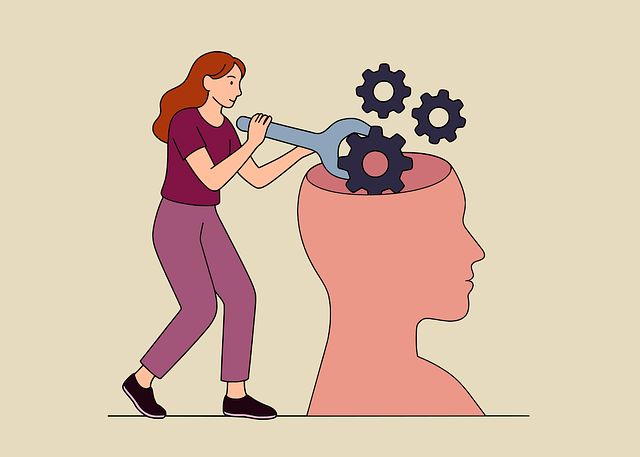
Revitalize Your Connection: Top Gilbert Relationship Counseling
Intimacy issues prevalent in Gilbert and nationwide stem from communication barriers and emotional/p.......
Read more →
In today's fast-paced, often emotionally charged world, relationship counseling has emerged as a vital pillar in supporting individuals and couples navigating personal and interpersonal challenges. Among the diverse landscape of counseling practices, Relationship Counseling Gilbert stands out as a specialized approach, offering unique strategies to foster healthy connections. This comprehensive article aims to explore every facet of this transformative process, from its foundational concepts to global implications. By delving into its history, impact, economic considerations, technological integrations, and future prospects, we will uncover the profound influence of Relationship Counseling Gilbert on individuals, communities, and societies at large.
Relationship Counseling Gilbert is a therapeutic modality designed to help individuals and couples improve their interpersonal relationships through enhanced communication, conflict resolution skills, and emotional understanding. It draws from a multidisciplinary approach, incorporating elements of psychotherapy, family therapy, and behavioral modification techniques. The core objective is to empower clients with the tools necessary to navigate relationship dynamics, overcome challenges, and strengthen bonds.
At its heart, this counseling style emphasizes the following key components:
Communication Enhancement: Effective communication forms the bedrock of any healthy relationship. Counselors guide individuals and couples in developing active listening skills, expressing emotions constructively, and understanding non-verbal cues to foster deeper connections.
Conflict Resolution: Relationships are not immune to disagreements. Relationship Counseling Gilbert equips clients with strategies to manage conflicts productively, promoting resolution through negotiation, compromise, and collaborative problem-solving.
Emotional Intelligence: Emotional intelligence involves recognizing and managing one's emotions and understanding the emotions of others. Counselors help individuals develop emotional awareness, empathy, and self-regulation skills, enabling them to respond to relationship challenges with sensitivity and insight.
Attachment Theory: Drawing from attachment theory, this approach explores the deep emotional bonds that shape relationships. Counselors assist clients in understanding their attachment styles and those of their partners, fostering more secure connections.
Historically, Relationship Counseling Gilbert has evolved from the broader field of counseling, gaining prominence in the late 20th century as a response to the increasing demand for personalized support in personal relationships. It has since become an integral part of mental health services, accessible through various channels, including in-person sessions, online platforms, and community outreach programs.
The influence of Relationship Counseling Gilbert extends far beyond its place of origin, with significant global impact and diverse cultural adaptations. Here’s a glimpse into its worldwide reach:
North America: In the United States and Canada, relationship counseling has become an integral part of healthcare systems, often covered by insurance plans. Major cities like New York, Los Angeles, and Toronto have thriving counseling centers offering specialized Relationship Counseling Gilbert services, catering to diverse cultural and linguistic backgrounds.
Europe: European countries such as the United Kingdom, Germany, and France have embraced this approach, integrating it into their national healthcare systems. London, Berlin, and Paris are known for their robust mental health infrastructure, featuring numerous relationship counseling centers with specialized services.
Asia Pacific: The demand for Relationship Counseling Gilbert is on the rise in countries like Japan, Australia, and New Zealand. In Japan, for instance, there has been a growing acceptance of counseling as a mainstream tool for personal growth and relationship support. Sydney and Melbourne have established themselves as hubs for innovative counseling practices, attracting international experts and students.
Middle East and Africa: These regions are witnessing increased awareness and adoption of Relationship Counseling Gilbert. Dubai and Cairo have become centers for mental health services, offering specialized counseling programs tailored to local cultural norms and values.
Key trends shaping the global landscape include:
Online Therapy: The rise of remote counseling has revolutionized access to Relationship Counseling Gilbert, enabling individuals in remote areas or with limited mobility to seek support. Platforms like BetterHelp and Talkspace have made online therapy mainstream, breaking down geographical barriers.
Cultural Sensitivity: Counselors worldwide are increasingly recognizing the importance of cultural sensitivity, adapting their practices to respect diverse beliefs, values, and relationship norms. This approach ensures that counseling remains accessible and relevant across different communities.
Integration with Technology: Technological advancements have led to innovative tools and apps designed to complement traditional counseling. Virtual reality (VR) therapy, for example, offers immersive experiences to help individuals process traumatic relationships or practice communication skills in safe virtual environments.
Relationship Counseling Gilbert, as a specialized service, operates within a complex economic ecosystem, with various market dynamics and investment patterns shaping its industry.
Growing Demand: There has been a consistent increase in the demand for relationship counseling services globally, driven by rising stress levels, changing family structures, and increased awareness of mental health. This trend is expected to continue as individuals seek support for personal and interpersonal challenges.
Competition and Specialization: The market is characterized by competition among counseling centers, with some specializing in specific areas like premarital counseling, couples therapy, or teen relationship issues. Specialized services often command higher rates, reflecting the expertise involved.
Access and Affordability: Economic considerations play a crucial role in access to counseling. While many individuals benefit from insurance coverage or government-funded programs, cost remains a barrier for some. This has prompted innovations like sliding scale fees and online therapy platforms to make services more accessible.
Private Practice: Many counselors opt for private practice, offering personalized services in comfortable settings. These practices often attract a loyal client base and can command premium rates, making it an attractive career path.
Community Health Centers: Publicly funded or non-profit community health centers provide counseling services to underserved populations at affordable rates. These centers play a vital role in ensuring access to mental health care for economically disadvantaged individuals.
Corporate Wellness Programs: Increasingly, companies are investing in employee wellness programs, including relationship counseling, as part of their overall healthcare strategies. This trend reflects the growing recognition of the impact of personal relationships on job satisfaction and productivity.
Technology has played a transformative role in Relationship Counseling Gilbert, opening new avenues for delivery, accessibility, and innovation. Here’s an exploration of some significant technological advancements:
Online Platforms: The rise of online counseling platforms has democratized access to services, allowing individuals anywhere to connect with qualified counselors. Apps like BetterHelp, Talkspace, and Amwell offer secure video sessions, chat support, and on-demand resources, making therapy more accessible than ever.
Telehealth: Telehealth technology enables remote counseling sessions, breaking down geographical barriers. This is particularly beneficial for individuals in rural areas or with limited mobility, ensuring they can receive personalized guidance without traveling long distances.
Mobile Apps: Dedicated mobile apps offer a range of tools, from relationship assessment questionnaires to guided meditation and communication exercises. Apps like "Couples Check-in" and "Emotion Journal" promote proactive engagement with one's partner and emotional well-being.
Artificial Intelligence (AI): AI-powered chatbots and virtual assistants are being explored for their potential in providing initial assessments, offering coping strategies, and delivering personalized recommendations between sessions. While not a replacement for human counselors, these tools can enhance accessibility and support.
The provision of Relationship Counseling Gilbert, like any mental health service, is subject to various policies, regulations, and legislative frameworks that ensure ethical practice and client protection. These guidelines vary across jurisdictions but share common goals:
Licensing and Certification: In most countries, counselors must obtain licenses or certifications from regulatory bodies. These organizations set standards for education, training, and ethical conduct, ensuring a certain level of competence and professionalism.
Privacy and Confidentiality: Strict laws protect the privacy and confidentiality of client information. The Health Insurance Portability and Accountability Act (HIPAA) in the US, for example, establishes rules for protecting sensitive health data. Counselors must adhere to these regulations to maintain trust and ensure ethical practices.
Ethical Guidelines: Professional associations develop and enforce ethical guidelines for counselors. These guidelines cover issues like informed consent, boundaries, dual relationships, and cultural sensitivity, ensuring that practitioners uphold high moral standards.
Insurance Coverage: Policies regarding insurance coverage vary by region. In some countries, relationship counseling is fully covered under private or public health insurance plans, while in others, it may be partially covered or not covered at all. These policies influence the financial accessibility of services.
Despite its proven benefits, Relationship Counseling Gilbert faces several challenges and criticisms that require thoughtful strategies for resolution.
Stigma: One of the most significant obstacles is the persistent stigma associated with seeking counseling. Many individuals struggle with the idea of vulnerability and admitting they need help, often preferring to self-manage issues rather than seek professional guidance. Overcoming this requires raising awareness, educating communities, and normalizing the practice of counseling.
Accessibility: While technology has improved access, financial constraints and geographical limitations still hinder many from receiving services. Sliding scale fees, community outreach programs, and remote therapy options can address these issues, but ensuring equitable access remains a continuous challenge.
Training and Competence: The quality of counseling depends heavily on the skills and training of practitioners. Inadequate training or lack of oversight can lead to ineffective or harmful practices. Ongoing professional development, supervision, and regular assessments are essential to maintain high standards.
Cultural Sensitivity: Counseling must respect cultural diversity and adapt practices to suit various belief systems and relationship norms. Insufficient cultural sensitivity can result in mistrust and disengagement among diverse client populations. Continuous education and training on cultural competency are vital.
To illustrate the impact of Relationship Counseling Gilbert in practical settings, let’s explore two case studies:
Case Study 1: Overcoming Communication Barriers in a Multicultural City
In Los Angeles, a diverse metropolitan area with a significant immigrant population, a community counseling center implemented a culturally sensitive relationship counseling program. The initiative aimed to address the unique challenges faced by couples where one or both partners were born outside the US. Counselors underwent specialized training in cross-cultural communication and family systems theory. Through group sessions and individual counseling, participants learned effective communication strategies, conflict resolution techniques, and cultural adaptation skills. The program's success was evident in the high satisfaction rates and improved relationship dynamics reported by participants, fostering a stronger sense of community connection.
Case Study 2: Teen Relationship Issues in a Suburban School District
A public school district in a suburban area identified rising rates of teen relationship problems, including dating violence and unhealthy attachment patterns. In response, they partnered with local counselors to develop an evidence-based program targeting high school students. The counseling team conducted workshops on healthy relationships, emotional intelligence, and conflict management. They also offered individual counseling sessions for students experiencing challenges. Post-program assessments showed significant improvements in participants' relationship satisfaction and emotional well-being. This initiative not only addressed immediate issues but also empowered teens with lifelong skills for navigating relationships.
The field of Relationship Counseling Gilbert is poised for continued growth and evolution, shaped by emerging trends and technological advancements. Here’s a glimpse into potential future prospects:
Integrative Approaches: There is a growing trend towards integrating various therapeutic modalities to offer more comprehensive services. Combining elements of cognitive-behavioral therapy (CBT), mindfulness practices, and attachment theory can enhance the effectiveness of counseling for diverse client needs.
AI and Virtual Reality: AI and VR technologies are expected to play increasingly significant roles in counseling. AI chatbots can provide initial assessments and support between sessions, while VR therapy offers immersive experiences for processing traumatic relationships or practicing communication skills in safe virtual settings.
Cultural Competence Training: As the world becomes more interconnected, cultural sensitivity will remain a critical aspect of counseling. Advanced training programs focusing on cross-cultural competency, intersex issues, and diverse family structures will ensure counselors are prepared to meet the needs of a global client base.
Community-Based Programs: Expanding community outreach programs, particularly in underserved areas, can improve access to counseling services. Collaboration with local organizations, schools, and community health centers can help normalize counseling and address relationship issues at a grassroots level.
Relationship Counseling Gilbert, as a specialized counseling approach, has emerged as a powerful force in supporting individuals and couples navigate the complexities of personal relationships. Through its emphasis on communication, conflict resolution, emotional intelligence, and attachment theory, it offers transformative tools for fostering healthy connections. The global impact, economic considerations, technological advancements, policies, challenges, and case studies presented in this article underscore its significance and potential.
As we look to the future, Relationship Counseling Gilbert is poised to continue shaping mental health services worldwide, addressing evolving needs, embracing technology, and fostering cultural sensitivity. By investing in this field, communities can build stronger, more resilient relationships, contributing to overall well-being and social cohesion. The journey of relationship counseling is an ongoing exploration of human connection, and its impact will undoubtedly resonate across generations to come.
Q: What is the difference between general counseling and relationship counseling? A: General counseling addresses a wide range of personal issues, while relationship counseling focuses specifically on improving interpersonal relationships, including communication, conflict resolution, and emotional intimacy.
Q: How do I know if I need relationship counseling? A: If you're experiencing persistent challenges in your relationship, such as frequent arguments, lack of communication, or a sense of disconnection, counseling can help. It's also beneficial when one or both partners want to improve but struggle to make changes independently.
Q: Is relationship counseling only for couples? A: While it is commonly associated with couples therapy, relationship counseling can also benefit individuals working through personal issues related to relationships, family dynamics, or peer interactions.
Q: How long does relationship counseling usually last? A: The duration of counseling varies depending on individual needs and goals. Some people may complete a short-term program focusing on specific issues, while others may engage in ongoing therapy to address deeper patterns and long-term relationship goals.
Q: Can online therapy replace in-person sessions for relationship counseling? A: Online therapy offers a convenient and accessible option for many, but it may not be suitable for everyone. In-person sessions provide a safe, private environment where complex emotions can be explored more deeply. However, for individuals with limited access to counselors or specific preferences, online therapy can be an effective alternative.